In 2025, 9,586 small businesses changed hands across the United States, generating $7.95 billion in total enterprise value. Among the industries driving that activity, building and construction ranked in the top five most-searched categories on BizBuySell — the nation's largest small business marketplace — trailing only service, restaurant, and retail businesses in buyer demand.
The data raises a straightforward question: why are HVAC companies, electrical contractors, plumbing businesses, and general contractors among the most actively bought and sold businesses in the country?
The Numbers
According to the BizBuySell 2025 full-year report, the median small business sold for $350,000 last year, with a median cash flow of $158,950 and a median revenue of $703,000. The average cash flow multiple held at 2.61x. Businesses sold at 94% of asking price.
Building and construction businesses often outperform those medians. The report noted that manufacturing, building and construction, and online and technology sectors combined for a 32% year-over-year increase in transaction volume — the strongest growth of any sector group tracked.
What Drives Buyer Demand
Several structural factors help explain sustained buyer interest in construction-related businesses.
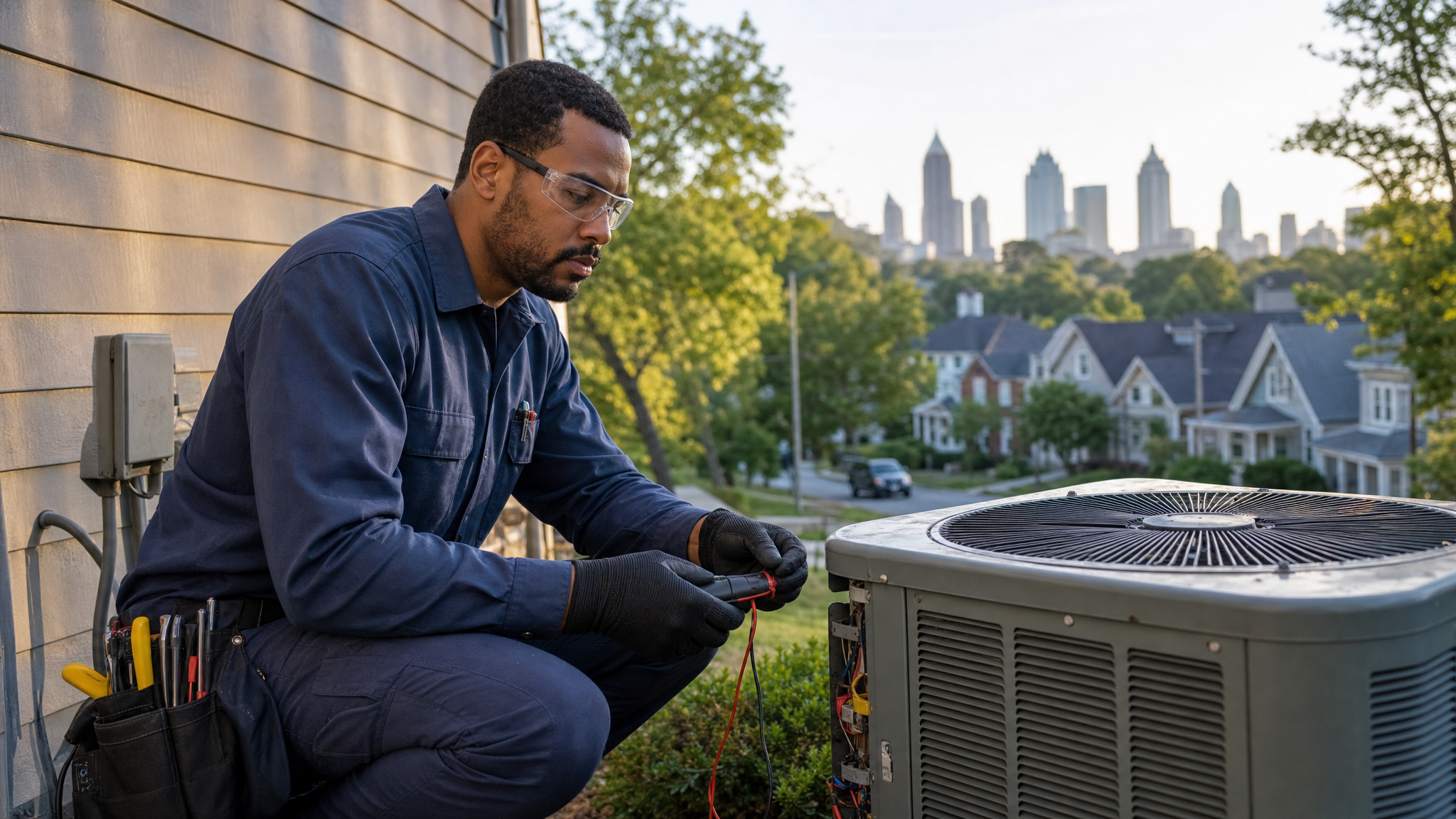
First, the trades face a documented labor shortage. Retiring tradespeople are not being replaced at the same rate. A buyer who acquires an established HVAC or plumbing company inherits licensed technicians, equipment, existing customer relationships, and a known revenue base. Building that from scratch takes years; buying it compresses that timeline to a single transaction.
Second, these businesses carry recurring revenue. Service contracts, maintenance agreements, and repeat residential and commercial customers produce predictable cash flow — a metric buyers and lenders weigh heavily when evaluating acquisitions.
Third, the underlying demand for trade services is not declining. U.S. housing stock continues to age. Commercial construction activity in growth markets remains active. The work is not going away.
The "AI-Proof" Factor
A fourth driver has emerged in recent years — one that a growing number of business acquisition experts cite as a significant factor in buyer confidence: the perception that trade businesses are resistant to displacement by artificial intelligence.
"AI-proof," in this context, does not mean immune to technology. It means the core value of the business cannot be replicated or replaced by software. An AI system can write code, generate reports, answer customer service inquiries, and analyze data. It cannot crawl under a house to repair a broken pipe. It cannot diagnose a failing HVAC compressor, pull a permit, wire an electrical panel, or pour a foundation.
The work done by plumbers, electricians, HVAC technicians, and general contractors is physically situated, manually executed, and requires real-time problem-solving in unpredictable environments. These are precisely the conditions where current and near-future AI and robotics have the least traction.
For buyers evaluating long-term investment risk, that matters. A buyer acquiring a software company or a marketing firm carries the uncertainty of whether AI will compress margins or eliminate job categories within their business model. A buyer acquiring a licensed HVAC contractor with 200 service agreements does not face that same uncertainty. The phone will ring next summer when air conditioners fail, regardless of what happens in the technology sector.
Business brokers and acquisition advisors have noted this shift in buyer psychology, particularly among first-time buyers and investors seeking stable, cash-flowing businesses with durable demand. The trades are increasingly viewed not just as reliable — but as strategically defensive.
What It Means for Sellers
For owners of HVAC, plumbing, electrical, roofing, or general contracting companies, the 2025 data points to a seller's market in the category. Buyer demand is high. Transaction volume is growing. Buyers are actively searching.
The IBBA Market Pulse Q3 2025 report — compiled from 300 business brokers and M&A advisors — confirmed that deal flow in the trades remained active through the second half of the year, even as broader transaction volume softened slightly in Q4.
The median time to close a small business transaction in 2025 was 170 days. Sellers who entered the market with clean financials, documented processes, and transferable customer relationships consistently closed faster and closer to asking price.
The Bottom Line
The market for building and construction businesses in 2025 was defined by one dynamic: more qualified buyers than available listings. That gap — between what buyers want and what sellers are willing to bring to market — is what pushed buyer search activity into the top five nationally.
For owners of trade businesses considering a sale in the next one to three years, the data from 2025 suggests the window is open.
Key takeaways
- Building and construction ranked top 5 nationally for buyer search activity in 2025, with a 32% YoY jump in transaction volume.
- Recurring revenue, skilled labor scarcity, and aging housing stock are structural drivers of buyer demand.
- The "AI-proof" perception — that trade work cannot be automated — is meaningfully shifting buyer confidence toward the sector.
- Sellers with clean financials and documented operations are closing faster and at higher percentages of asking price.
Sources: BizBuySell 2025 Insight Report; IBBA & M&A Source Market Pulse Q3 2025