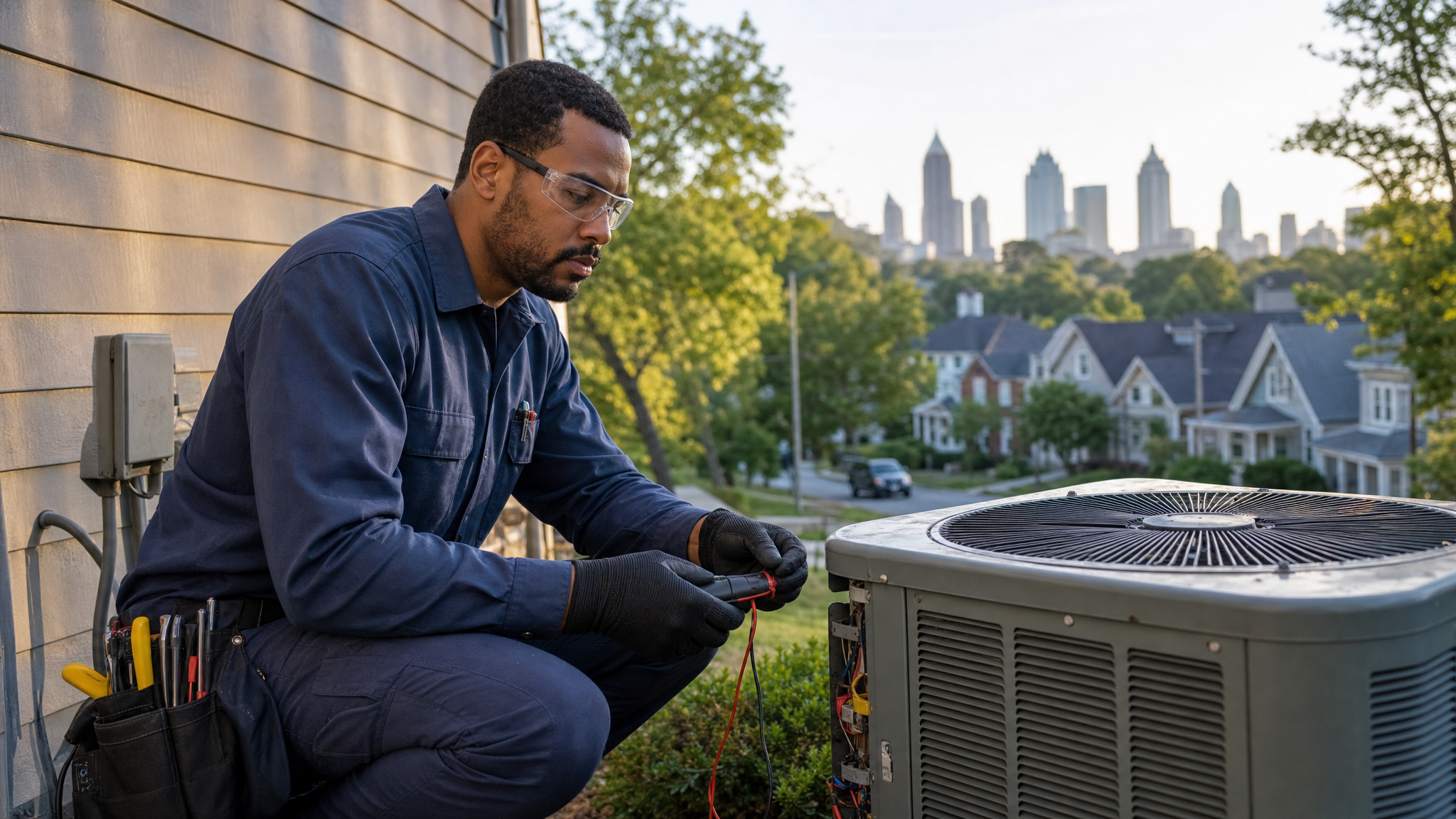
Why Building and Construction Businesses Are Among the Most Sold in America
In 2025, HVAC, plumbing, and contractor businesses ranked top 5 nationally for buyer demand — and experts say the "AI-proof" perception is a major reason why.
Fresh articles from FCBB Atlanta Metro on valuation, diligence, financing, succession, and the practical issues shaping business sales across Atlanta and North Georgia in 2026.
These articles are written for the real conversations happening across Metro Atlanta right now, whether you are preparing for a sale, evaluating an acquisition, or advising a client who needs a clearer path forward.
Practical articles on valuation, timing, readiness, diligence, and the issues that shape a sale before it reaches the market.
Grounded perspective on financing, diligence, risk, and what stronger Metro Atlanta opportunities tend to have in common.
Content built for CPAs, bankers, attorneys, and referral partners who want to help clients plan earlier and avoid preventable friction.
Explore twenty-four Atlanta-, SRS-,, Georgia-, Roswell-, and SR 316 corridor-focused articles built around the issues we are seeing most often in conversations with owners, buyers, and referral partners.
In 2025, HVAC, plumbing, and contractor businesses ranked top 5 nationally for buyer demand — and experts say the "AI-proof" perception is a major reason why.
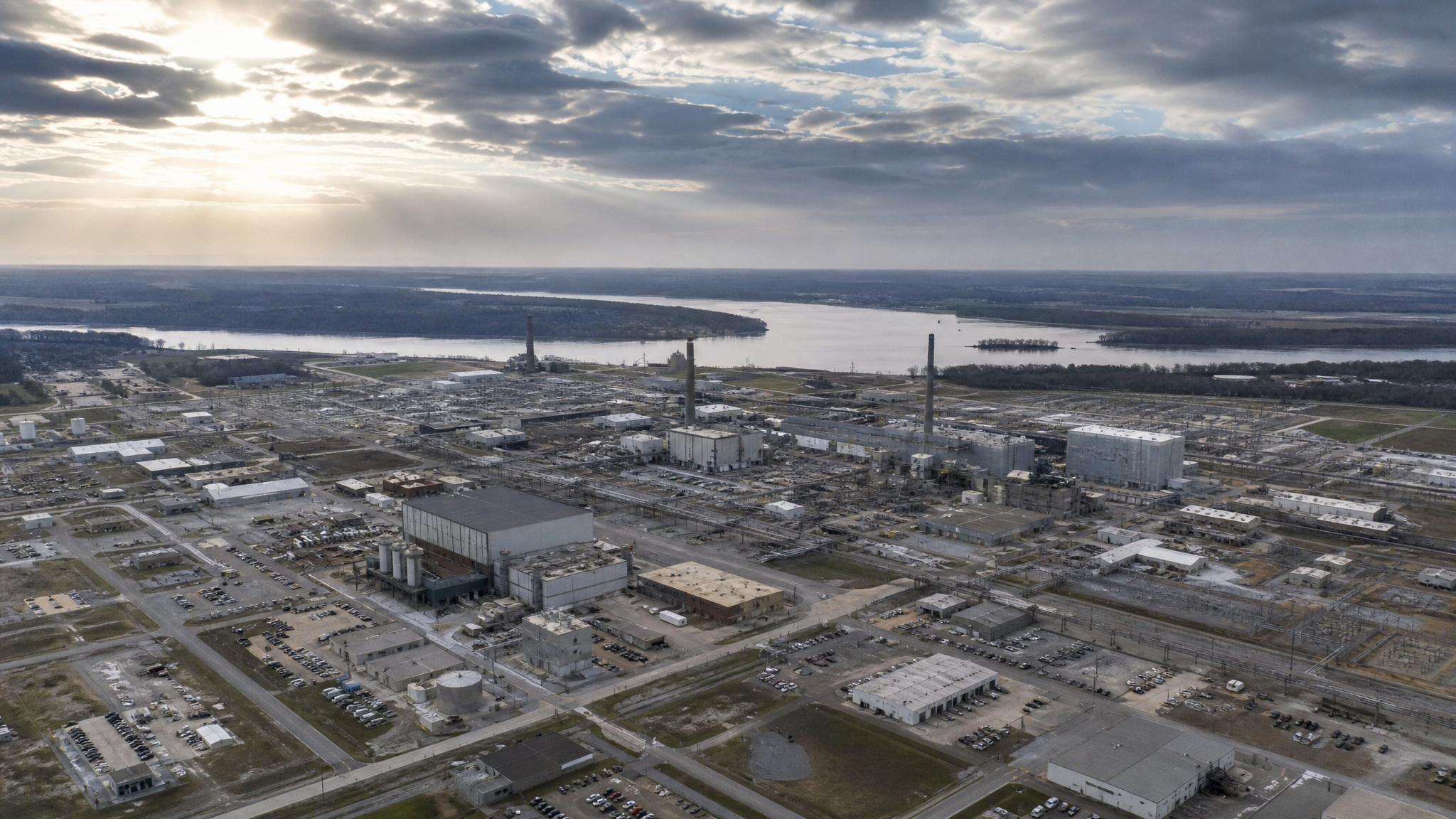
Most Georgians have never heard of it — but the Savannah River Site is one of the most powerful economic engines in the Southeast, and its reach extends far beyond the CSRA.
The Savannah River Site pumps billions into the Georgia economy every year — and the ripple effects reach businesses across Augusta, Aiken, and well beyond the plant gates.
Every dollar spent at SRS creates a chain reaction through the Georgia economy. Here's what that means for small business owners across the state.
The Savannah River Site is transforming from Cold War relic to innovation hub — and that shift has real implications for Georgia's economy and business landscape.
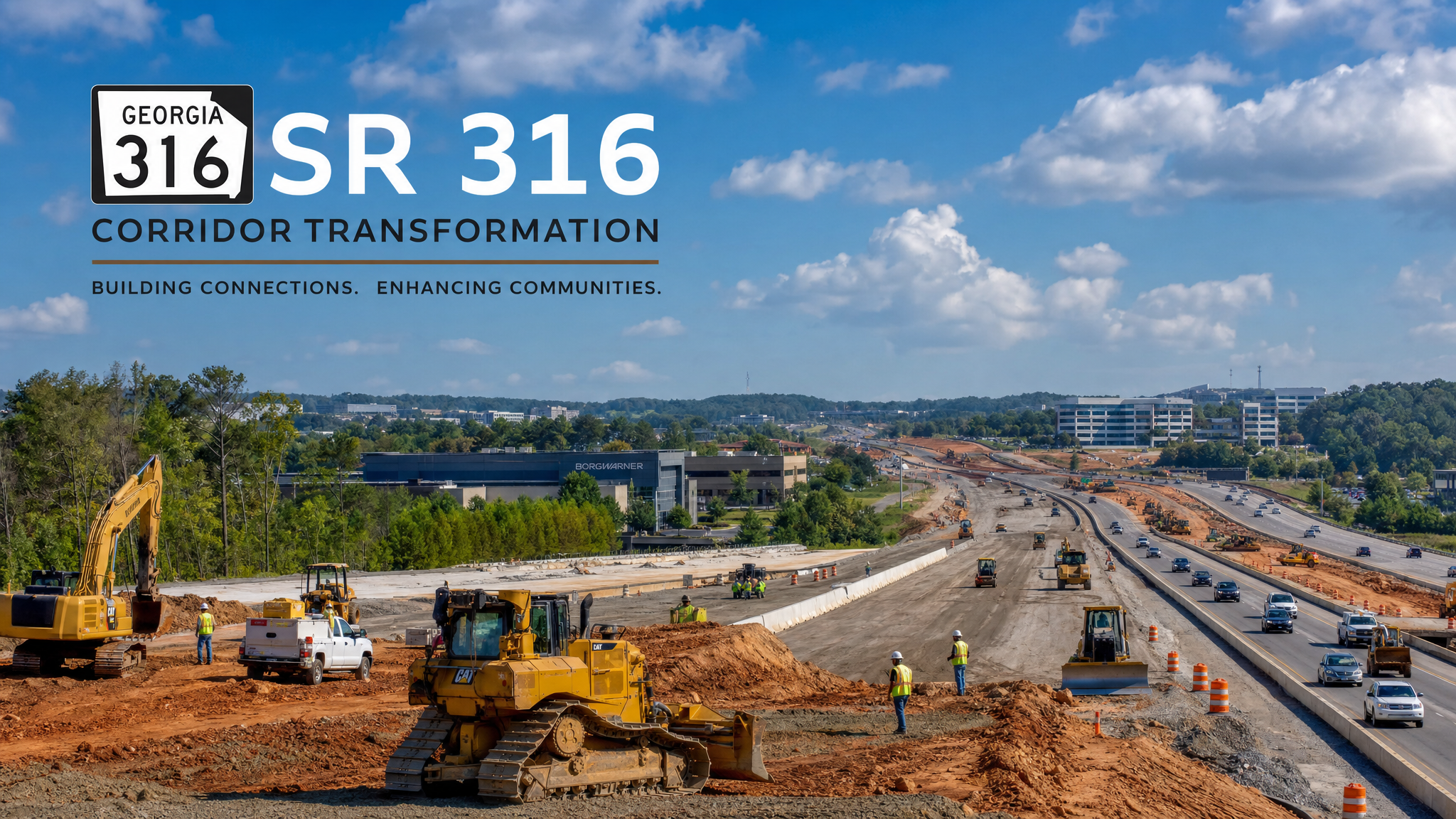
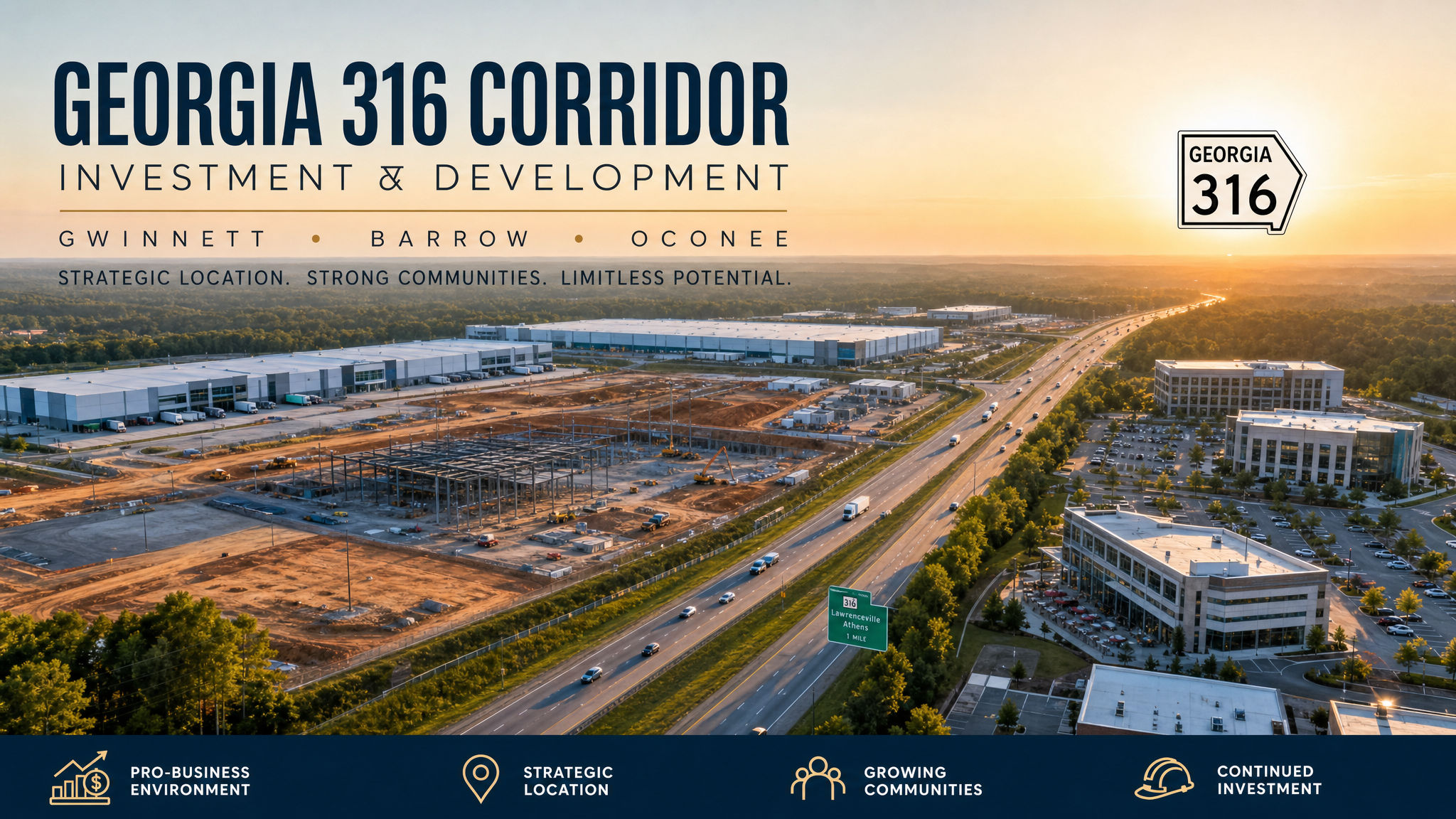
In January 2026, Georgia announced an additional $200 million in funding for Highway 316 improvements — a major signal for communities like Lawrenceville, Dacula, Bethlehem, Winder, Oconee County, and Athens along this high-growth corridor.
From Dacula and Lawrenceville to Bethlehem, Winder, Oconee County, and Athens, visible Highway 316 improvements are steadily changing how businesses, investors, and developers evaluate the corridor.
State investment along SR 316 is helping push new attention toward Gwinnett County, Barrow County, Oconee County, Dacula, Winder, Bethlehem, and the Athens side of the corridor.
Business leaders across Athens, Oconee County, Winder, Bethlehem, Dacula, Lawrenceville, and Metro Atlanta are watching SR 316 construction as a longer-term signal for growth, access, and commercial opportunity.
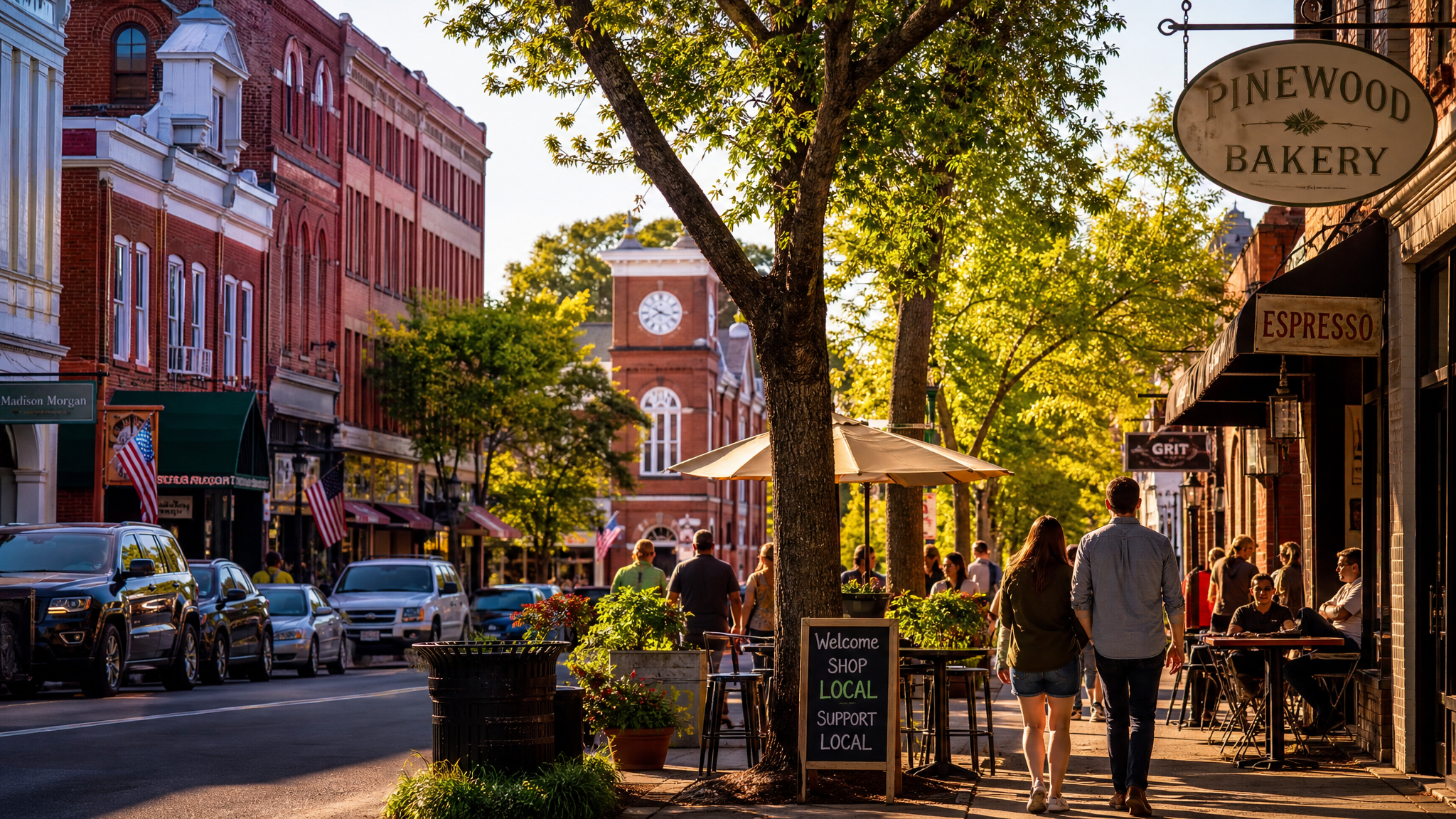
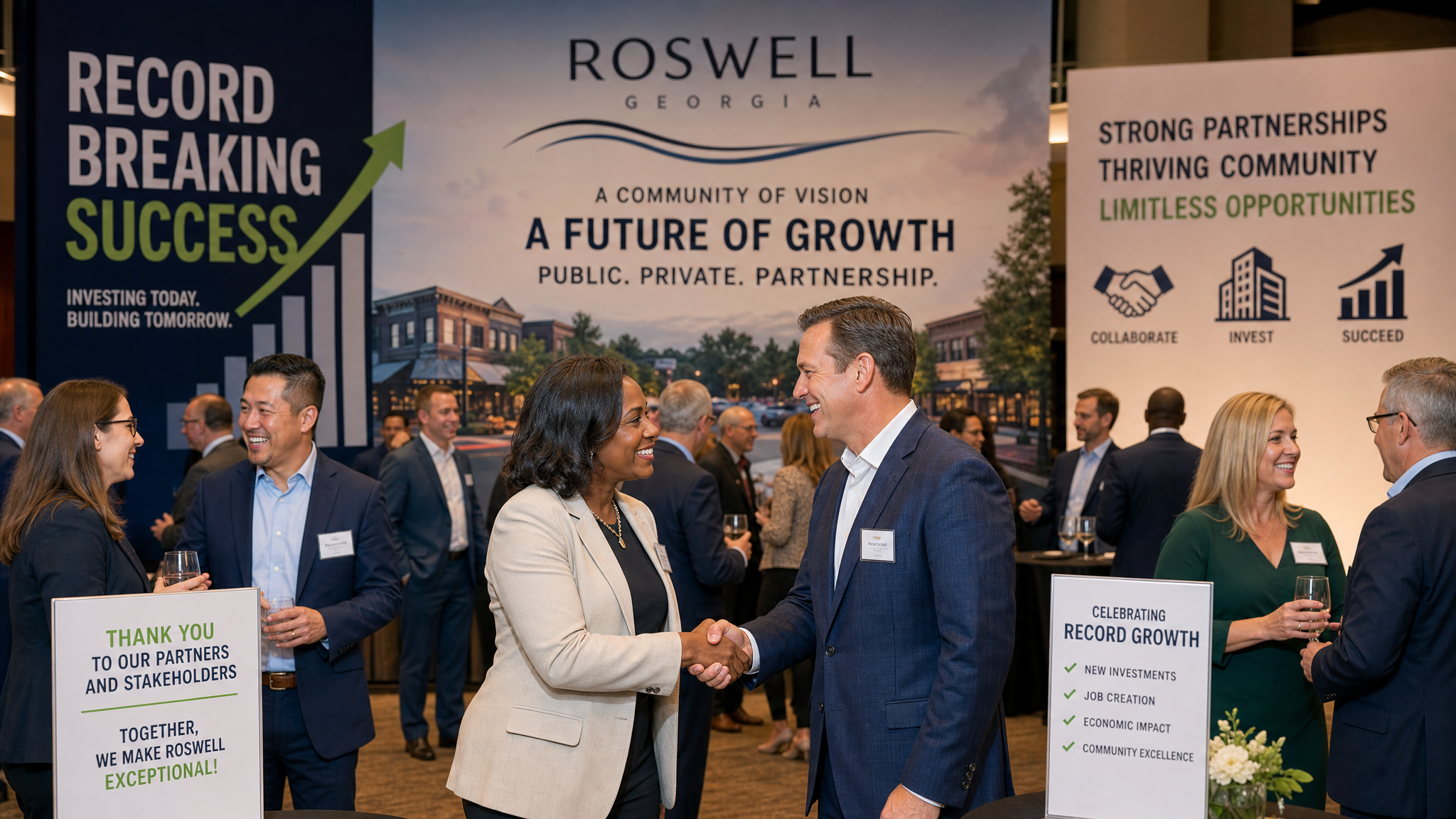
Roswell Inc. reported record-breaking economic development performance at Insight 2026. For business owners and buyers in North Atlanta, that result signals a market with documented momentum — and a community that is actively building toward something bigger.
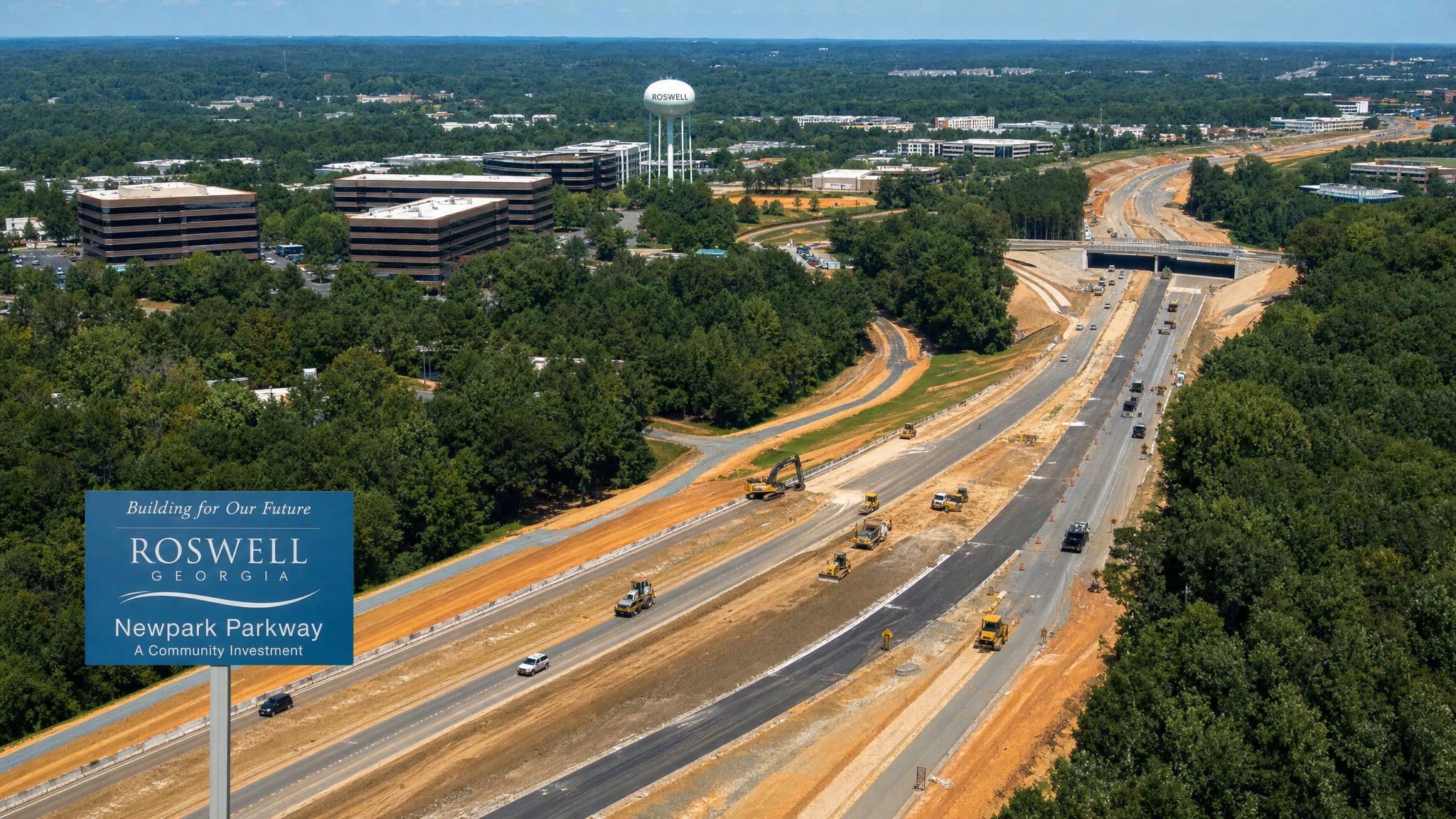
Roswell's FY2026 budget sends a clear message: the city is building for the long term. For business owners in the North Atlanta area, a city that invests in its own infrastructure is a city that is making your business more valuable — even before you list it.
City leaders rarely tease announcements without good reason. Roswell's description of an upcoming initiative as "major" and "exciting" is exactly the kind of signal that suggests the North Atlanta corridor is gaining, not losing, momentum.
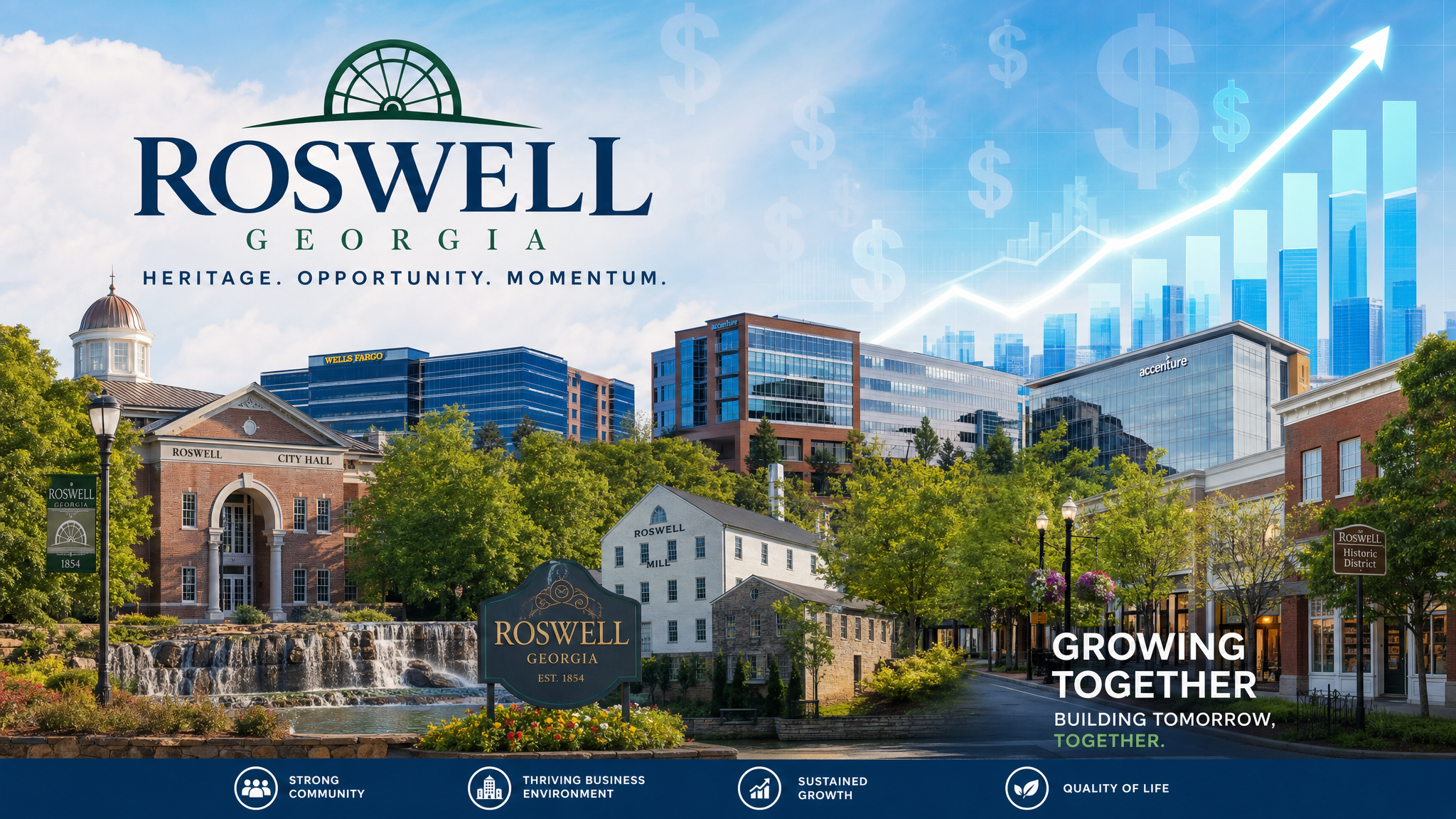
Hillrose Market is set to break ground in 2026 — delivering luxury apartments, townhomes, and 75,000+ sq ft of retail and office space across from Roswell City Hall. For buyers and sellers in North Atlanta, it's a catalytic development that signals where the market is heading.
Georgia's new tax legislation includes an income tax rate cut, property tax relief, and additional business incentives. Here is what the legislation actually means — and does not mean — for business valuations and buyer demand across Georgia.
Metro Atlanta remains an active market for small and lower middle market business sales, but 2026 buyers are staying disciplined. Owners who understand how local demand, financing, and diligence are shaping deals will be better positioned to plan their timing and expectations.
Many Georgia deals still depend on financing, which means buyers and sellers need a realistic understanding of lender expectations. In 2026, deal quality, documentation, and borrower readiness are playing a major role in whether a transaction moves smoothly or stalls.
Service businesses across Metro Atlanta are still attracting buyers, but labor questions are getting more attention in diligence. Businesses with stable staffing, documented roles, and less owner dependence are generally presenting better than those held together by a few key people.
Manufacturing and distribution businesses remain important parts of the Georgia market, but buyers are looking more closely at gross margin consistency, vendor exposure, and inventory quality. Sellers who can explain operational swings clearly are in a better position than those hoping buyers will overlook them.
In many Metro Atlanta retail and restaurant deals, the lease can either support the transaction or become the obstacle that kills it. Buyers are paying close attention to renewal options, transfer provisions, rent trends, and how location economics affect future cash flow.
One of the clearest trends in 2026 is that buyers want better financial visibility earlier. Georgia business owners who address add-backs, commingled expenses, revenue quality, and reporting consistency before going to market usually enter the process with more credibility and fewer late-stage problems.
Many attractive businesses in Metro Atlanta still rely heavily on the owner for sales, operations, vendor relationships, or customer trust. In 2026, buyers are asking harder questions about whether the business can transfer cleanly, and that makes owner dependence a practical issue, not just a theoretical one.
Buyer diligence has not become hostile, but it has become more disciplined. In Metro Atlanta deals, the early questions often reveal whether a buyer is likely to stay engaged, and sellers who prepare for those questions are usually better positioned to maintain momentum.
Across Georgia, more longtime owner-operators are moving from vague future plans to real sale and succession discussions. For many, the decision is not driven by one dramatic event but by a mix of fatigue, opportunity, estate considerations, and the realization that waiting does not automatically improve readiness.
One practical shift in 2026 is that stronger transactions are often starting earlier with coordinated input from CPAs, bankers, and attorneys. In Metro Atlanta, pre-sale planning is becoming less of a luxury and more of a way to avoid preventable friction once a buyer enters the picture.
A confidential valuation conversation can help you understand timing, marketability, and the issues most likely to shape your outcome before you make a larger move.